By Brad Frazier
May 22, 2026
Maintaining a comfortable home environment during the winter months requires more than just a functional furnace. It involves a holistic understanding of how various components within your property work together to preserve warmth and minimize energy expenditure. When a heating system begins to fail or operates below its peak capacity, the resulting discomfort is often accompanied by a sharp increase in monthly utility costs. Many homeowners overlook the subtle signs of system degradation until a total failure occurs, but being proactive can save thousands of dollars over the life of the equipment.
By identifying the root causes of inefficiency, you can make informed decisions about when to call for expert assistance. Whether you are dealing with inconsistent temperatures or a complete lack of airflow, understanding the mechanics of heat loss and system strain is the first step toward a more efficient home. Modern houses are complex ecosystems where insulation, electronics, and mechanical parts must remain in balance. When one part of the chain breaks, the entire system suffers, leading to a cycle of high bills and low comfort. Fortunately, with the right knowledge and access to local heating services, these problems are manageable and often preventable through consistent professional oversight.
1. Optimizing Thermal Resistance
Thermal resistance, often referred to as R-value, is the primary measure of how effectively a material prevents heat from escaping your living space. Higher R-values indicate a greater ability to trap warmth, which is vital for any home aiming to reduce its carbon footprint and energy costs. In many older properties, the original insulation has settled or degraded over time, leaving gaps that allow precious heat to bleed out into the atmosphere. Improving this barrier is one of the most effective ways to support your local heating services in keeping your home efficient.
The most common areas for heat loss include the attic, crawl spaces, and the gaps around windows and exterior doors. While small drafts might seem insignificant, the cumulative effect of multiple leaks can be equivalent to leaving a window wide open all winter. Professionals can use thermal imaging to pinpoint exactly where heat is escaping, allowing for targeted upgrades that provide the best return on investment. Upgrading insulation materials like fiberglass or spray foam not only improves the R-value but also acts as a sound dampener and moisture barrier.
2. Calibrating Temperature Controls
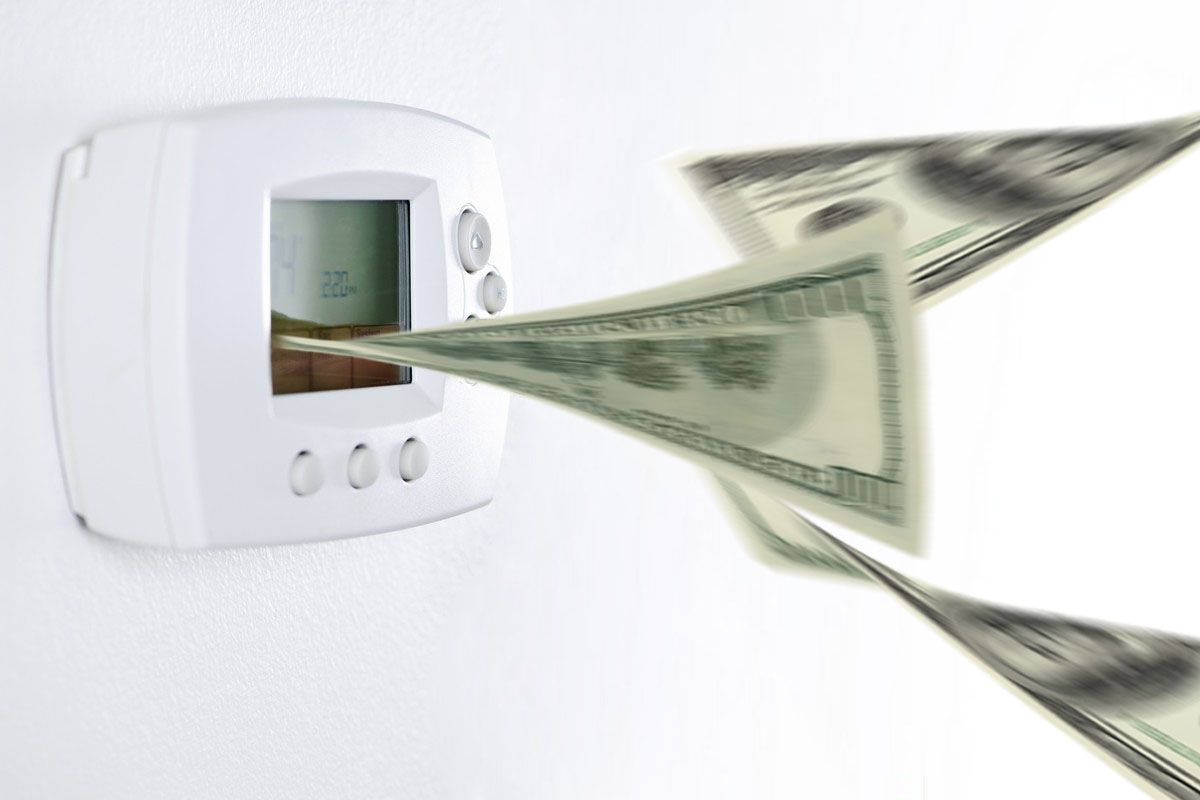
The thermostat acts as the brain of your entire HVAC system, dictates when the heat turns on, and ensures the house reaches the desired level of warmth. However, even the most advanced thermostats can suffer from calibration errors that lead to inaccurate readings and frequent cycling. If the sensors are misaligned or the unit is placed in a drafty area, it may tell the heater to shut off before the house is actually warm or, conversely, keep it running long after the target temperature is reached.
Modern smart thermostats offer a wealth of data regarding your energy usage, but they require precise installation to function correctly. These devices can learn your habits and adjust the temperature based on whether you are home or away, but a loss of connectivity or a software glitch can disrupt your comfort. Troubleshooting these electronic issues often requires a deep understanding of low-voltage wiring and system compatibility. To ensure your control system is communicating effectively with your furnace, it is wise to have a professional technician verify the calibration during a routine visit.
3. Maintaining Filter Cleanliness
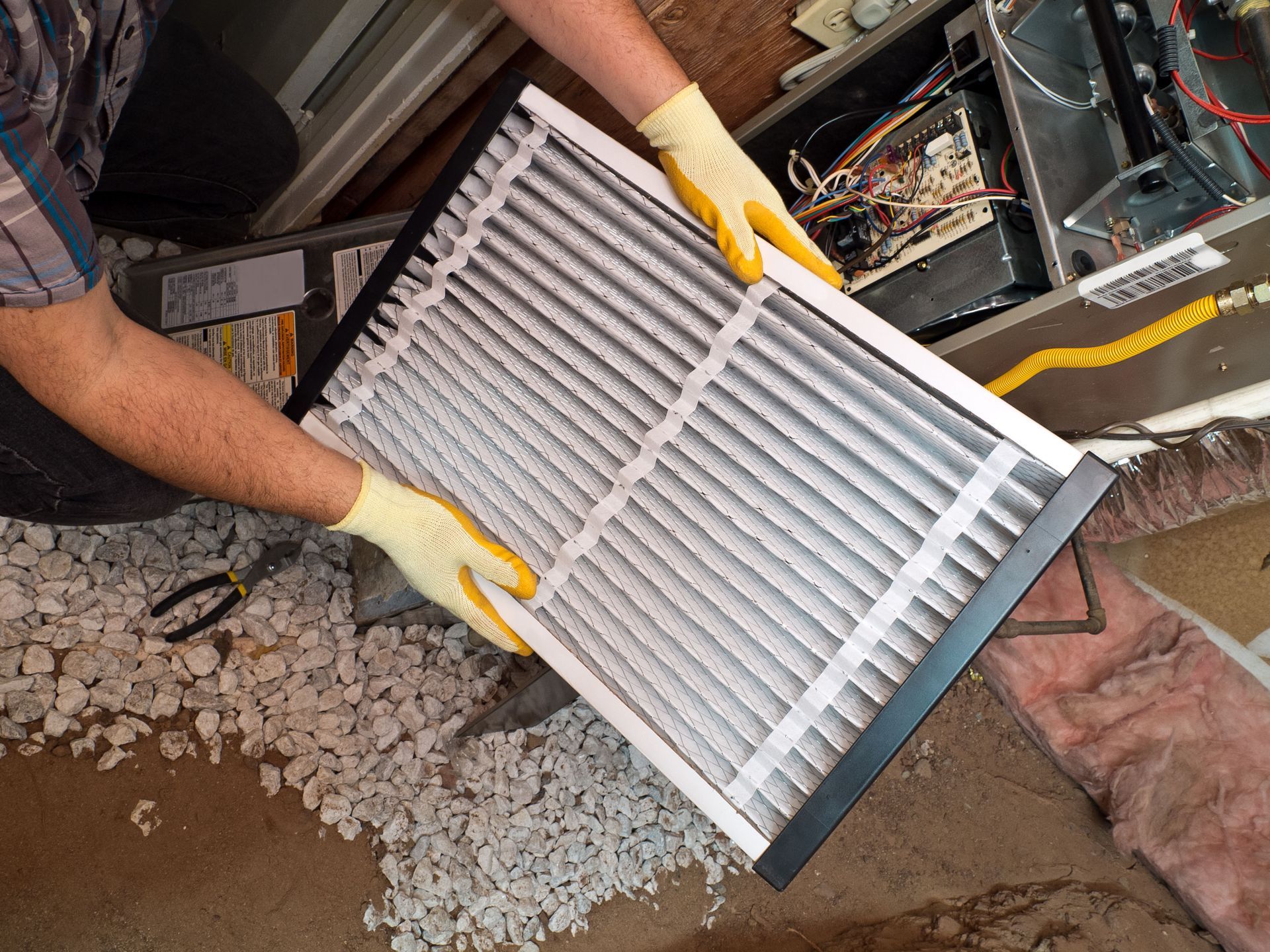
The air filter is a small component that carries a massive responsibility for both your health and the longevity of your equipment. Its primary job is to trap dust, pet dander, and pollen before they can enter the sensitive internal machinery of the furnace. When a filter becomes clogged with debris, it creates a physical barrier that restricts airflow, forcing the blower motor to work much harder to push air through the vents.
According to HomeGuide, a furnace lasts 15 to 30 years, and regular filter maintenance is a factor that impacts this lifespan significantly. Addressing filter cleanliness is essential for energy efficiency, cost savings, and occupant health. Neglecting this simple task is one of the leading causes of premature system failure. Most standard filters should be inspected once a month, especially in homes with pets or smokers. If you find that your filters are getting dirty unusually fast, it may be time to consult with local heating services to investigate if there are deeper issues within your ductwork or air intake.
4. Sealing Air Ducts
Ductwork serves as the highway for warm air, but if that highway is full of cracks and holes, the warmth will never reach its destination. It is estimated that the average home loses a significant portion of its heated air through leaks in the ducts before it ever reaches the vents in the living areas. These leaks often occur in unconditioned spaces like attics, basements, or crawl spaces, meaning you are essentially paying to heat the underside of your roof or the soil beneath your floor.
Professional duct sealing involves more than just applying tape; it requires a comprehensive pressure test to identify the location and severity of the leaks. Technicians use specialized sealants that remain flexible over time, ensuring that the vibrations of the system do not break the seal. Once the ducts are airtight, you will notice a marked improvement in the balance of heat throughout the house, as rooms furthest from the furnace finally receive adequate airflow. This process is a vital part of comprehensive local heating services that aim to optimize the entire distribution network of your home.
5. Inspecting Ignition Systems
The ignition process is where the magic happens, but it is also where many safety risks reside. Whether your system uses a traditional standing pilot light or a modern electronic igniter, any malfunction in this area can lead to a complete loss of heat. A pilot light that frequently goes out may be suffering from a dirty thermocouple or a draft, while electronic ignitors can simply wear out after years of use. If the ignition fails, gas can sometimes build up within the combustion chamber, creating a hazardous situation that requires immediate attention from a qualified expert.
You should always be on the lookout for signs of ignition trouble, such as a delayed "boom" sound when the furnace starts or a pilot flame that appears yellow instead of blue. A yellow flame indicates incomplete combustion, which is a sign that the burners are dirty or the gas-to-air ratio is incorrect. These issues not only reduce the efficiency of the burn but can also increase the production of carbon monoxide. Keeping these components in top shape is a core task for local heating services, ensuring your system starts reliably every time the thermostat calls for heat.
Taking care of your heating system is an investment in your home's value and your family's daily comfort. By staying ahead of insulation gaps, thermostat errors, clogged filters, leaky ducts, and ignition failures, you can enjoy a cozy winter without the stress of skyrocketing energy costs. Each of these components plays a vital role in the overall health of your HVAC system, and neglecting even one can lead to a cascade of expensive repairs. Remember that professional oversight is the most effective way to identify hidden problems before they turn into midnight emergencies. For comprehensive maintenance and expert repairs, contact 4 Seasons Air to schedule your
local heating services today and ensure your home remains a warm sanctuary all season long.