By Brad Frazier
November 25, 2026
Opening your monthly energy utility statement during the coldest stretch of winter often brings an unwelcome shock when frigid outdoor winter temperatures force residential furnaces, heat pumps, and water heaters to run continuously around the clock. While chilly weather naturally increases household energy demand, most families unknowingly lose substantial heating dollars every day through uncalibrated wall thermostats, leaky window frames, clogged air filters, and inefficient hot-water settings. Making smart, targeted adjustments across your home's mechanical systems and thermal envelope dramatically reduces wasted fuel and electricity without ever forcing your family to shiver in heavy sweaters indoors. Monitoring aging mechanical appliances—especially domestic water heating equipment—also plays a vital role in controlling winter utility costs; indeed, According to This Old House, a tank water heater has a lifespan between six and 12 years. Scheduling an accredited heating service bridges the gap between runaway winter energy utility bills and balanced, high-efficiency home warmth. Understanding how smart thermostat programming, air filter and duct sealing, window draft weatherstripping, water heater temperature tuning, and winter ceiling fan reversal optimize energy use empowers thoughtful homeowners to act quickly and save immediately. Prioritizing master seasonal efficiency defends valuable household budgets, elevates indoor comfort, and guarantees lasting peace of mind across every passing winter season for discerning local homeowners and growing families.
Programming Smart Thermostats and Nighttime Setbacks for Effortless Savings
The quickest, highest-impact seasonal adjustment any homeowner can make to lower winter heating expenses centers on optimizing thermostat temperature schedules around actual real household occupancy patterns. Leaving a furnace or heat pump running at full daytime comfort temperatures while everyone is away at work or asleep under warm winter blankets wastes substantial energy heating empty rooms. Installing a programmable or modern Wi-Fi smart thermostat allows you to dial indoor thermostat temperatures down gently overnight and during weekday absences well before automatically warming living spaces prior to waking or returning home. Additionally, heat pump owners should avoid sudden, drastic upward temperature jumps that trigger costly, energy-hungry electric auxiliary heat strips instead of gradual, efficient compressor heating. Scheduling a preventative, thorough heating service ensures technicians calibrate thermostat sensors accurately, thoroughly verify proper heat-pump staging controls, and optimize smart daily setback schedules. Strategic thermostat management trims monthly energy consumption effortlessly while keeping living spaces cozy right when your busy family needs comfortable indoor warmth.
Replacing Clogged Furnace Filters and Sealing Leaky Attic Ductwork Joints
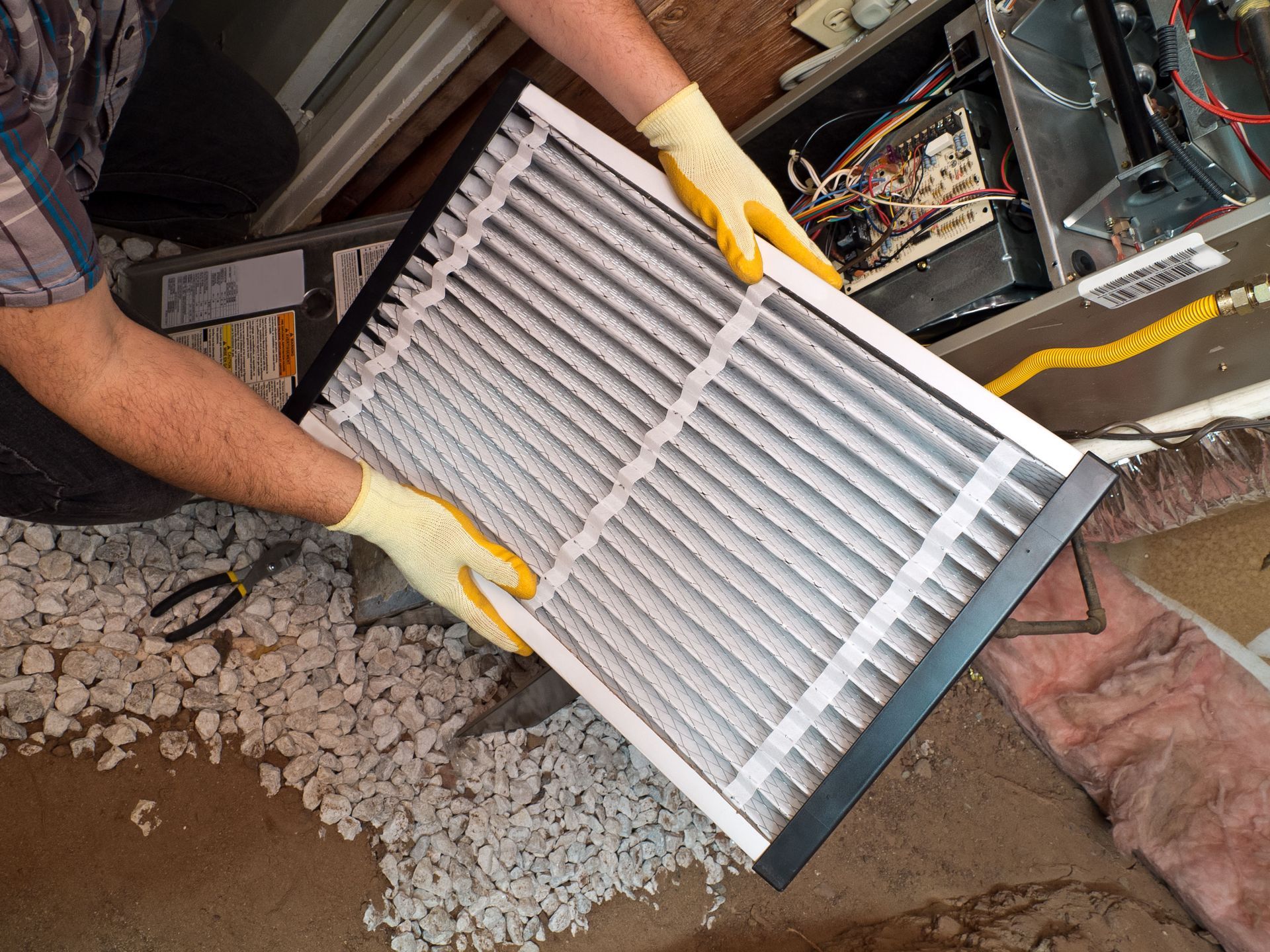
Even the most advanced modern high-efficiency furnace or heat pump wastes considerable electricity and fuel when dust-choked pleated air filters or disconnected sheet-metal ducts restrict warm airflow throughout the house. A dirty pleated air filter forces the indoor furnace blower motor to labor harder against elevated static pressure, drawing excessive electrical amperage while starving distant upper-story bedrooms of conditioned warmth. Simultaneously, unsealed supply and return duct seams running through freezing unconditioned attic spaces or crawlspaces leak valuable heated air directly outdoors before it ever reaches indoor living room registers. Technicians performing a thorough, methodical heating service inspect static airflow pressure, replace restricted air filters with clean, properly rated pleated media, and seal leaky duct joints using durable commercial mastic sealant and foil tape. Restoring unobstructed, tightly sealed ductwork delivers even, consistent room-to-room warmth and significantly lowers blower motor energy consumption immediately.
Weatherstripping Drafty Windows, Exterior Doors, and Attic Access Hatches
Warm conditioned indoor air naturally rises and escapes through microscopic gaps around aging window sashes, worn exterior door thresholds, recessed ceiling light cans, and uninsulated attic pull-down stair hatches—pulling icy outdoor air drafts inward at floor level. When cold drafts chill hallways and living rooms, thermostats cycle heating equipment on far more frequently to compensate for continuous drafty heat loss. Walking your home's perimeter on a brisk, breezy winter afternoon helps quickly identify chilly air leaks around exterior storm doors, window locks, and electrical outlet plates along exterior walls. Applying self-adhesive foam or V-strip weatherstripping around exterior door jambs, installing heavy vinyl door sweeps, adding foam outlet gaskets, and firmly latching windows tightly seals your home's thermal envelope cleanly. Eliminating sneaky air leaks keeps warm air trapped indoors where it comfortably belongs and cuts daily winter furnace runtime significantly across cold snaps.
Lowering Water Heater Temperatures and Insulating Exposed Hot-Water Pipes
Heating domestic household water for morning showers, dishwashers, and laundry loads represents the heaviest household energy expense right behind space heating during winter months. Many residential water heaters leave factory assembly lines or previous routine service visits set unnecessarily high, forcing storage tanks to burn extra gas or electricity continuously just to fight standby heat loss inside chilly unheated basements or garages. Dialing your water heater thermostat down to a comfortable, scald-safe warm setting, thoroughly flushing accumulated mineral sediment from the tank bottom, and wrapping exposed copper or PEX hot-water supply pipes with thick closed-cell foam insulation sleeves dramatically slashes standby thermal heat losses immediately. Relying on a comprehensive, detail-oriented heating service alongside plumbing tune-ups helps homeowners evaluate aging tank efficiency and consider modern high-efficiency tankless or heat-pump upgrades when aging older units near retirement. Tuning water heating systems delivers reliable hot showers while steadily trimming monthly residential gas and electric usage.
Reversing Ceiling Fan Rotation and Harnessing Natural Daytime Solar Heat
Simple, zero-cost daily household adjustments work hand in hand with mechanical tune-ups to circulate trapped ceiling warmth and capture free winter sunshine throughout living areas. Because warm air naturally rises toward high ceilings while cooler air settles near floors, gently flipping the small directional switch on overhead ceiling fan motor housings to run blades clockwise at low speed creates a gentle, quiet updraft that pushes warm ceiling air smoothly down gently along room walls without ever creating a chilly breeze. Equally effective, opening curtains, blinds, and drapes completely across sunny south-facing and west-facing windows during bright, sunny winter mornings lets natural daytime solar radiation warm hardwood floors and furniture for free, then promptly closing insulated window coverings at dusk effectively traps that captured solar heat indoors overnight. Combining clockwise fan circulation with passive solar window management noticeably boosts perceived living room warmth effortlessly all winter.
Implementing smart, practical winter energy adjustments empowers homeowners to slash monthly utility bills while enjoying cozy, warm, draft-free indoor comfort throughout the coldest winter months of the year. High winter heating expenses are rarely unavoidable; most runaway utility bills stem from uncalibrated thermostats, restricted airflow, leaky window perimeters, overheated water tanks, and overdue mechanical tune-ups. By programming gentle thermostat setbacks, replacing air filters and sealing attic ductwork, weatherstripping drafty doors and windows, lowering water heater standby temperatures, and reversing ceiling fans to circulate trapped ceiling warmth, families effortlessly capture substantial seasonal savings. Bypassing reactive emergency repairs in favor of scheduled preventative heating service keeps heating equipment operating smoothly at peak factory efficiency. Proactive seasonal winter energy stewardship protects household budgets, reduces wear on vital household mechanical systems, and eliminates chilly room-to-room temperature swings.
At 4 Seasons Air, our dedicated team brings deep, specialized residential heating and energy-efficiency engineering expertise, thorough multi-point winter tune-up diagnostics, and an unwavering commitment to honest, reliable craftsmanship on every residential home we serve, ensuring your heating system achieves maximum fuel efficiency, unyielding winter reliability, and extraordinary indoor comfort across every bitter winter cold front. Contact us today or visit our website online today to schedule your comprehensive, multi-point winter residential heating tune-up and energy-saving inspection and discover the lasting money-saving value of working with trusted, experienced local residential climate professionals.