By Brad Frazier
September 28, 2026
Air filters play a crucial role in maintaining indoor air quality and ensuring the efficiency of AC service systems. Regularly replacing these filters can have significant impacts on health, energy bills, and system longevity. Let's explore the numerous benefits of changing your air filter regularly and why it should be a priority for every homeowner. With the majority of U.S. households relying on AC service, understanding this maintenance routine becomes even more paramount.
Enhancing Indoor Air Quality
Reducing Allergens and Particulates
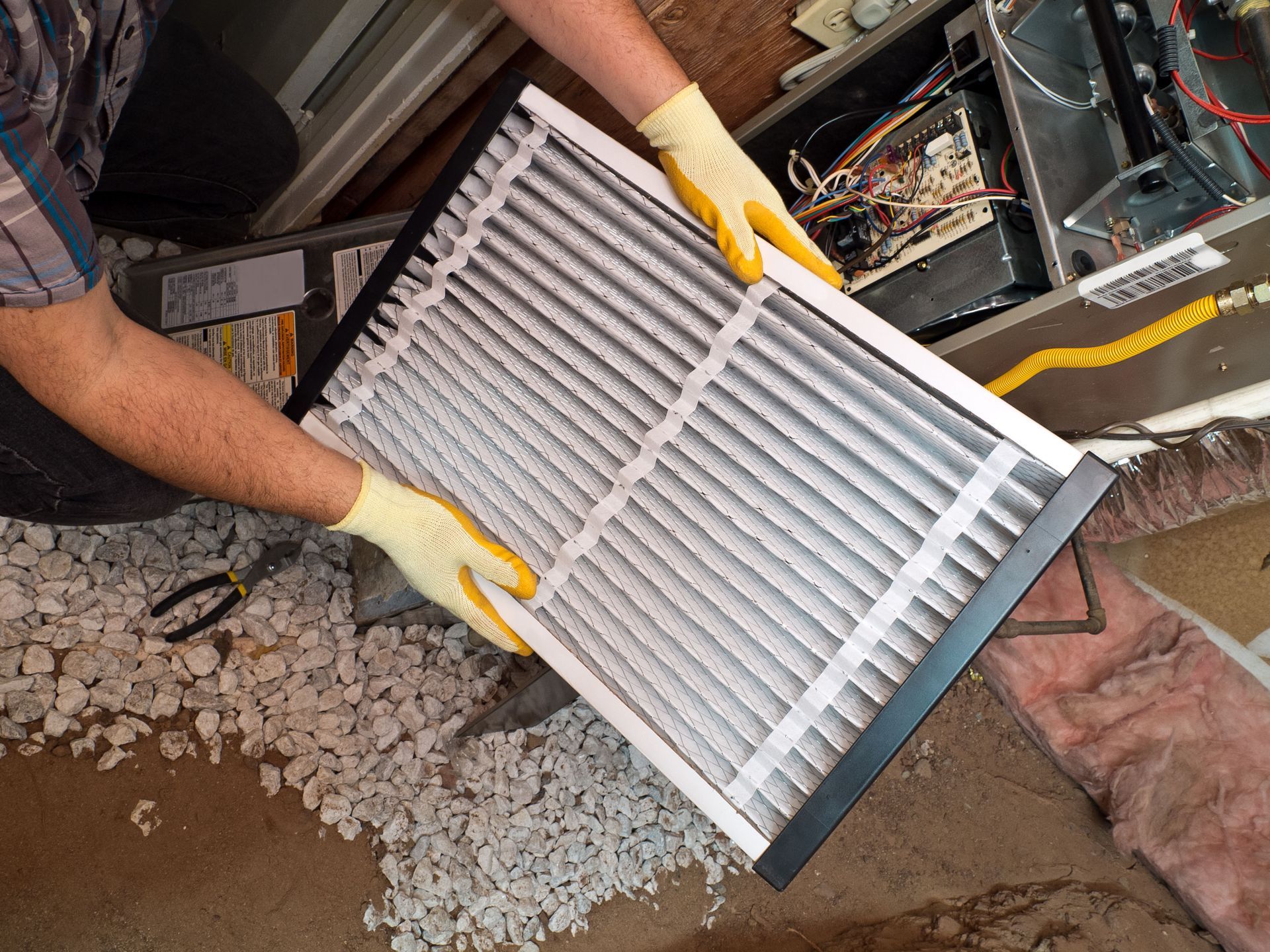
A primary benefit of changing your air filter is the reduction of allergens and particulates in your home. Dirty filters fail to trap airborne particles like dust, pollen, and pet dander, which can circulate through your living space. Regular filter replacement ensures these nuisances are captured effectively, reducing the potential for allergic reactions. This proactive step is vital for those with asthma or allergies, providing noticeable relief and preventing flare-ups. Clean air filters contribute significantly to creating a sanctuary of health within your home.
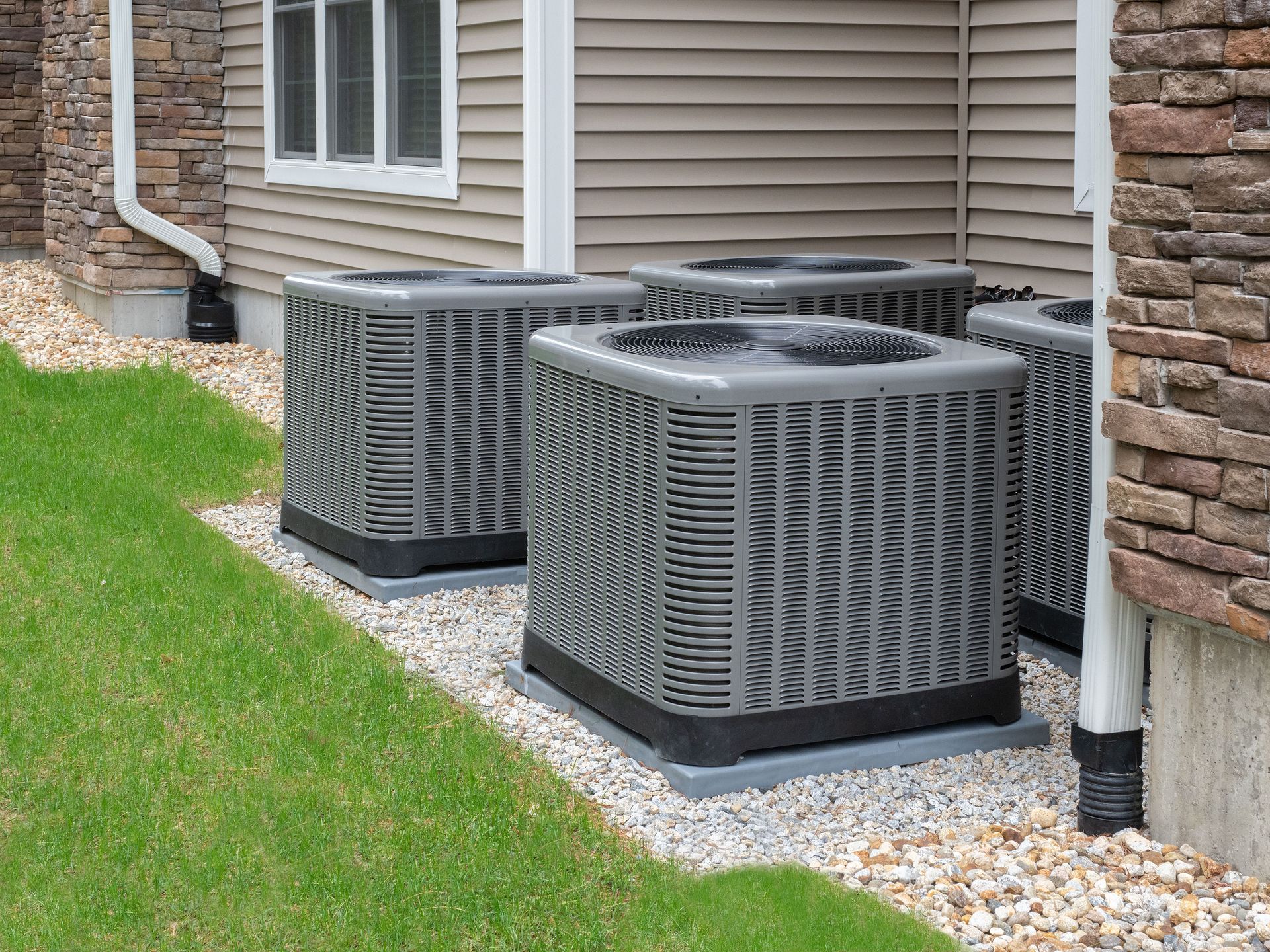
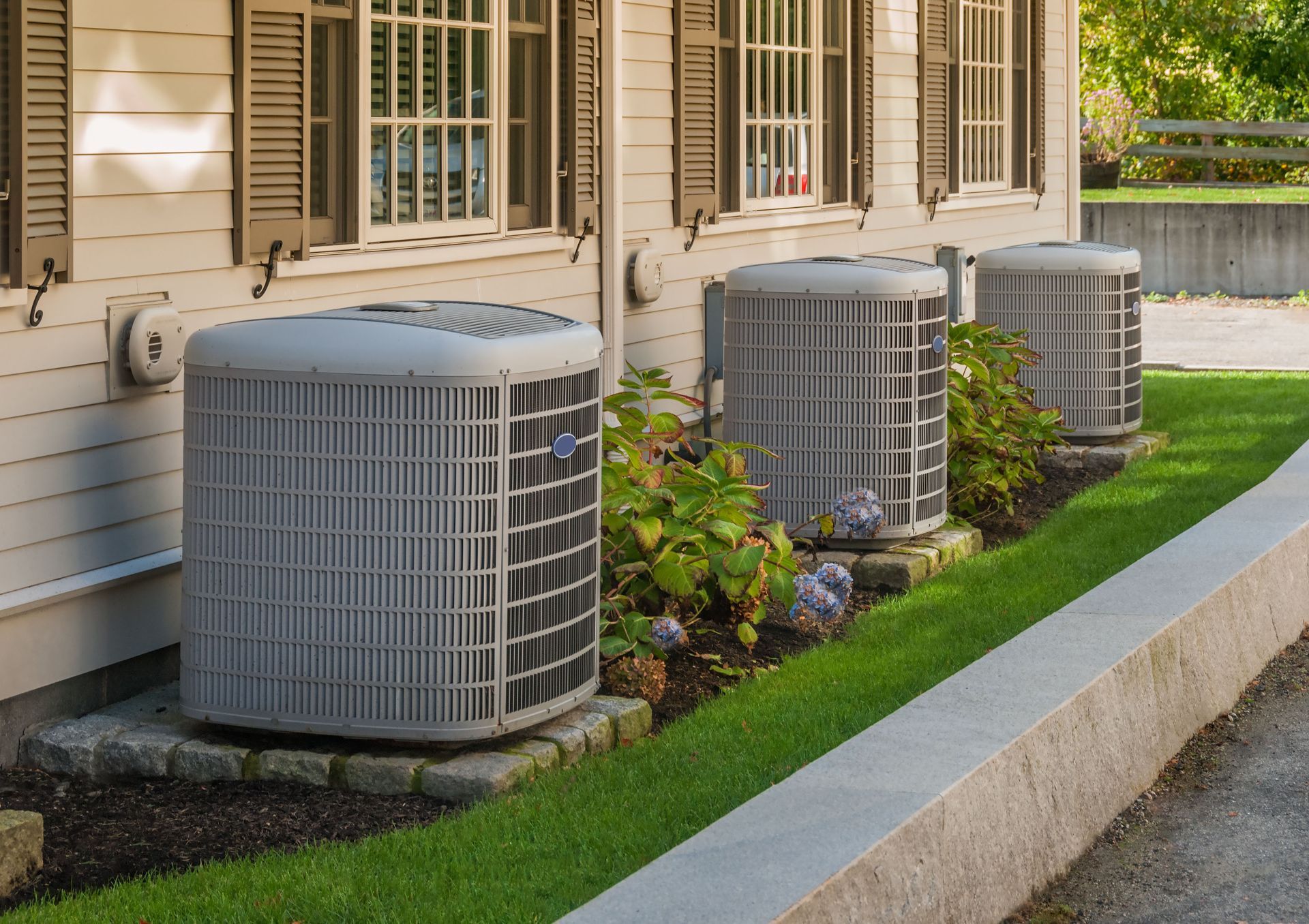
According to the United States Census Bureau, more than nine out of 10 U.S. households have an AC service system in their homes. This reliance on HVAC systems underscores the importance of maintaining clean air filters to ensure air quality is preserved. For a majority of households, the central AC system is often the biggest contributor to the circulation of air. Thus, consistent maintenance of air filters isn't just necessary for personal comfort but a critical component of civic responsibility and public health. Ensuring clean air circulation helps alleviate strain on public healthcare resources by reducing respiratory-related illnesses.
Diminishing Odors
Unpleasant odors can be a nuisance, impacting the ambiance and comfort of your home. Dirty air filters can become saturated with various compounds that exacerbate unwelcome smells. Regularly replacing air filters helps mitigate these odors by removing particulates that contribute to their persistence. This leads to an environment that is more inviting and pleasant for occupants and guests alike. Consistent replacement of air filters ensures that your home's smell is as fresh as its inhabitants desire.
Preventing Mold Growth
Mold growth presents a significant health hazard, thriving in damp environments where airflow is obstructed. Air filters that are clogged or deteriorating can create conducive conditions for mold proliferation by reducing ventilation. By ensuring timely filter replacements, you can substantially reduce the chances of mold spores establishing themselves within AC service systems. Proper ventilation prevents the accumulation of moisture, a key ingredient in mold growth, thereby safeguarding health and infrastructure integrity. Keeping mold at bay through regular filter changes demonstrates both prudence and proactive property care.
Controlling Humidity Levels
Properly functioning air filters are essential in maintaining stable humidity levels within your home. High levels of humidity can lead to discomfort and contribute to the growth of mold and mildew. When air filters are clogged, HVAC systems may struggle to regulate moisture levels effectively. Regular filter changes facilitate efficient moisture control by ensuring adequate airflow and HVAC performance. This balance contributes significantly to indoor comfort and prevents problems associated with excessive dampness, such as swelling wood and peeling paint.
Improving Overall Air Freshness
Frequent air filter changes directly correlate with improved air freshness, the hallmark of a hospitable and well-maintained residence. Clean filters permit unobstructed airflow, allowing AC service systems to circulate air that is devoid of previous contaminants. Indoor spaces feel fresher, without the staleness often associated with recycled air in closed environments. The comfort of inhabitants is heightened, as is their overall satisfaction with the indoor living environment. Attention to air quality through dedicated filter maintenance remains one of the simplest investments in enhancing domestic satisfaction.
Promoting Energy Efficiency
Lowering Energy Consumption
Energy efficiency is increasingly becoming a focal point for environmentally conscious households. By replacing air filters regularly, AC service systems can operate at peak performance without undue strain. Clean filters reduce the effort required to circulate air, thereby lowering energy consumption. This not only leads to a reduction in utility bills, but also promotes a more sustainable household footprint. Prioritizing energy efficiency through regular filter changes reflects a commitment to both economic prudence and environmental conservation.
Reducing Utility Bills
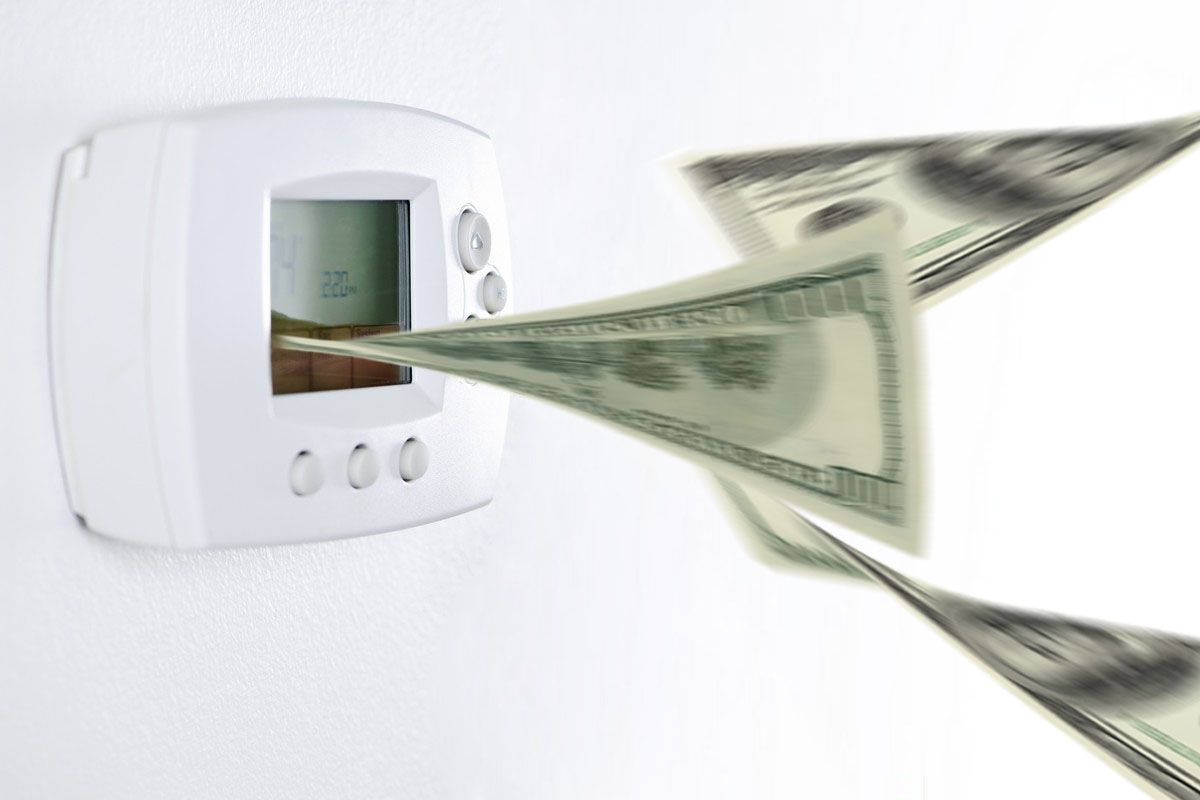
Reducing utility bills without compromising on comfort is an aspiration for many homeowners. Regularly changing air filters plays a pivotal role in realizing this objective by enhancing energy efficiency. Clean filters ensure HVAC systems utilize energy optimally, translating to reduced electricity consumption. Over time, this can lead to measurable savings on utility costs, making filter maintenance an economically sensible choice. Simple changes in maintenance routines can have sweeping effects on monthly expenditures, proving the economic value of preventative care.
Preventing Overworking of the System
Frequent air filter changes play an essential role in preventing the overworking of HVAC systems. When air filters are clogged, the systems have to labor harder to maintain the desired temperature, increasing wear and tear. Over time, this can lead to mechanical failures and even premature system breakdowns. By keeping air filters fresh, HVAC systems can work efficiently, distributing clean air without excessive effort. Regular maintenance thus ensures sustainability, preventing the costs and inconvenience associated with overburdened machinery.
Optimizing HVAC Performance
Optimized HVAC performance requires more than just cutting-edge technology; it involves regular upkeep and maintenance. Clean air filters are integral to this process, providing pathways for efficient heat exchange and airflow. With unobstructed pathways, HVAC systems can maintain desired temperatures using minimal energy, leading to enhanced indoor climate control. This efficiency contributes to a balance that bedecks living spaces with comfort, regardless of outdoor conditions. The capacity to rely on consistent performance furthers the value of an efficient HVAC system as a trusted mainstay during both summer highs and winter lows.
Extending System Lifespan
The lifespan of an HVAC system is intrinsically linked to the maintenance practices employed by its user. By keeping air filters clean and clear, homeowners play a fundamental role in prolonging the life of their systems. Regularly replacing filters reduces wear and tear on mechanical components, preventing premature aging. This translates into fewer breakdowns and service calls, and retains the efficiency of the system over an extended period. Longevity becomes a quantifiable result of steadfast attention to filter health, promoting satisfaction from diligent oversight contrasted with potential frustration from negligence.
Extending HVAC System Longevity
Minimizing Wear and Tear
One of the primary advantages of regular air filter replacement is the minimization of wear and tear on AC service systems. Clean filters reduce the strain on mechanical components, thereby limiting friction and wear during operation. This ensures the system operates smoothly and efficiently, cutting down on unnecessary system stress. By integrating a routine of regular maintenance, you become proactive in preserving the functionality of HVAC systems. This practice ultimately extends the operational lifespan long beyond the predictions made for systems subject to neglect and poor maintenance.
The mechanical integrity of an HVAC system is not only an issue of parts adhering to manufacturer standards but also pertains to preventative measures homeowners undertake. Dirty filters induce strain, which in turn accelerates component fatigue, manifesting in noise, heat, and inefficiency. Solution ceremonies lie in diligence afforded by scheduled filter replacements conducted not out of compulsion, but reasoning informed by commitment to enduring value. Regular filter checks augment operational efficiency, steering productive, non-compounding efforts towards optimal outcomes, and thwarting the cascade of issues reliant upon neglect.
Avoiding Costly Repairs
Avoiding costly AC service repairs is a compelling incentive for maintaining air filter regularity and diligence. Neglected filters prompt premature system breakdowns, leading to expensive component damage or even replacements. Proactive filter replacement drastically guards against these unwarranted expenses by controlling potential avenues for deterioration. Regular filter checks and replacements serve as a bulwark against system failure's financial implications, reinforcing resource stability through targeted engagement. Homeowners become equipped to offset liabilities, circumscribing expenditure pathways endemic to neglect's ramifications.
Regularly replacing your home's air filter is one of the simplest yet most impactful maintenance habits a homeowner can adopt. By taking this small proactive step, you directly safeguard your family's health through cleaner air, protect your financial well-being through reduced utility bills, and extend the operational life of your HVAC investment. To learn more, reach out to the experts at 4 Seasons Air.